 |
| MON, 2 NOV, 2026 |
ISSUE # 92 |
|
|
AI is speeding up both sides of the security fight.
Attackers reportedly used AI-assisted tools to drain ₹300 crore from small NBFCs, while Google’s new Gemini 4 Carbon finds and fixes flaws. Plus: Meesho’s one-engineer pods, and MeitY’s plan to open data for AI training. |
| |
|
📋 In today's Mailr:
|
|
|
|
|
Your product here, in front of 175 Indian tech builders, Mon · Wed · Fri.
Tap the logo to book a slot.
|
|
|
🌍 Global AI |
|
Google's strongest model goes first to security teams |

|
Image source: Generated using Google Gemini |
| • |
Gemini 4 Carbon scores 88.2% on finding software vulnerabilities, 54.8% on exploiting them, and 71% on fixing weaknesses. Independent ranker Artificial Analysis puts it first on its Intelligence Index. Pricing starts at $2 per million input tokens. |
| • |
Access is staged: first to selected cybersecurity defenders, then trusted partners via Google's Fairwind programme. It is not publicly available yet, and Google is running pre-release tests with the US government before any wider launch. |
|
Bottom Line: Top labs are now treating frontier coding models as security-sensitive infrastructure, releasing them in controlled stages rather than publicly. Builders waiting for AI-assisted vulnerability detection to improve should track Fairwind access timelines closely. |
|
|
|
🇮🇳 India |
|
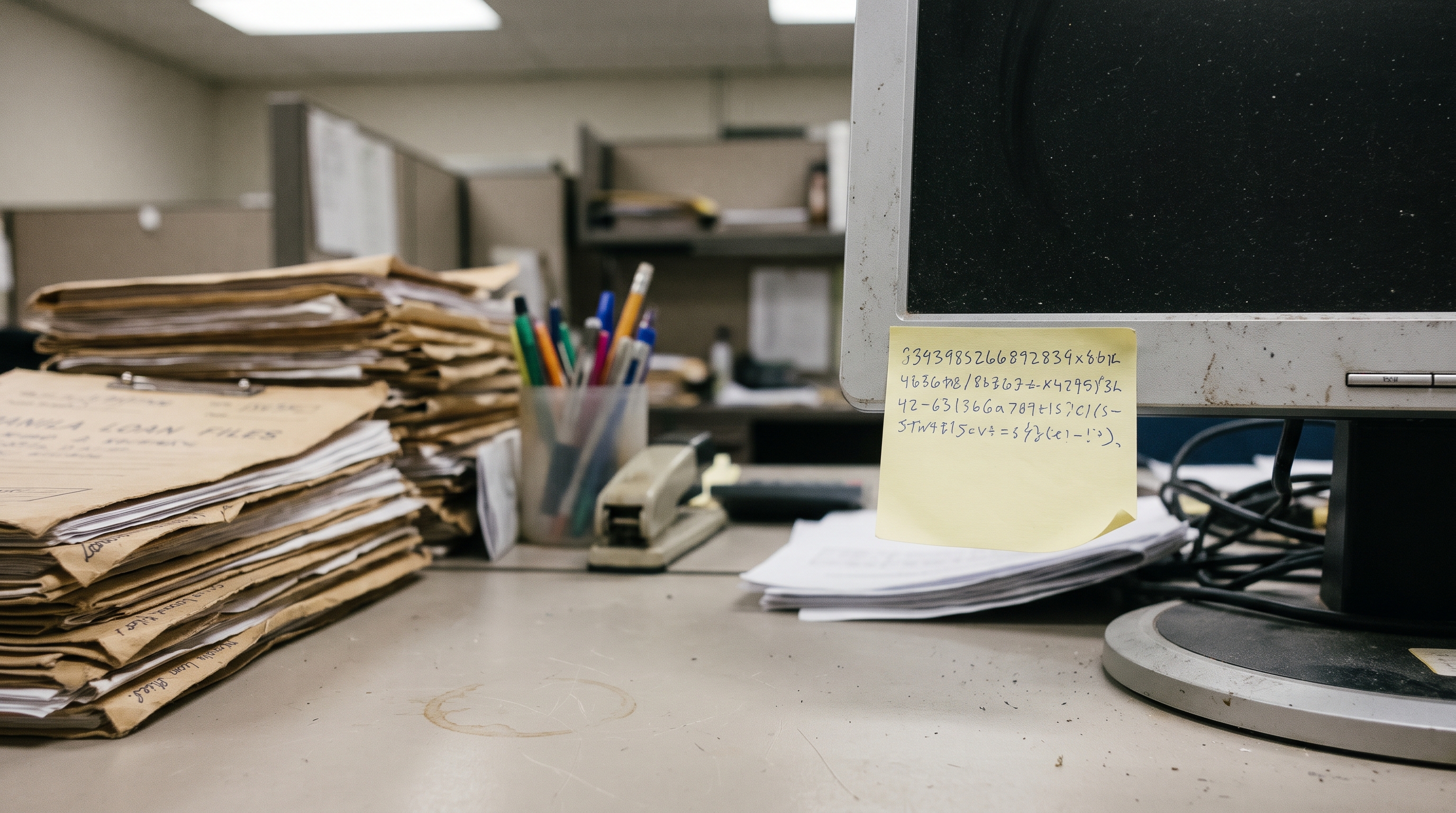
Reported AI attacks cost small NBFCs ₹300 crore |
|
Image source: Generated using Google Gemini |
| • |
Attackers reportedly combined hacking toolkits Artex and CyberStrike with open AI models including DeepSeek and Qwen to steal payment-gateway API credentials (digital keys for disbursing money) from small NBFCs, bypassing KYC and transaction limits. Over 150 FIRs filed. |
| • |
CERT-In issued a Critical advisory on the method, but the ₹300 crore loss figure comes from unnamed sources via ET, unconfirmed by RBI or SEBI. NBFCs must report incidents within six hours but need not inform customers until 2027. |
|
Bottom Line: Payment API credentials are now the primary attack surface for financial platforms, not login screens. Any fintech builder using third-party disbursal APIs should rotate keys, restrict endpoint access, and add anomaly monitoring today, before regulators require it. |
|
|
|
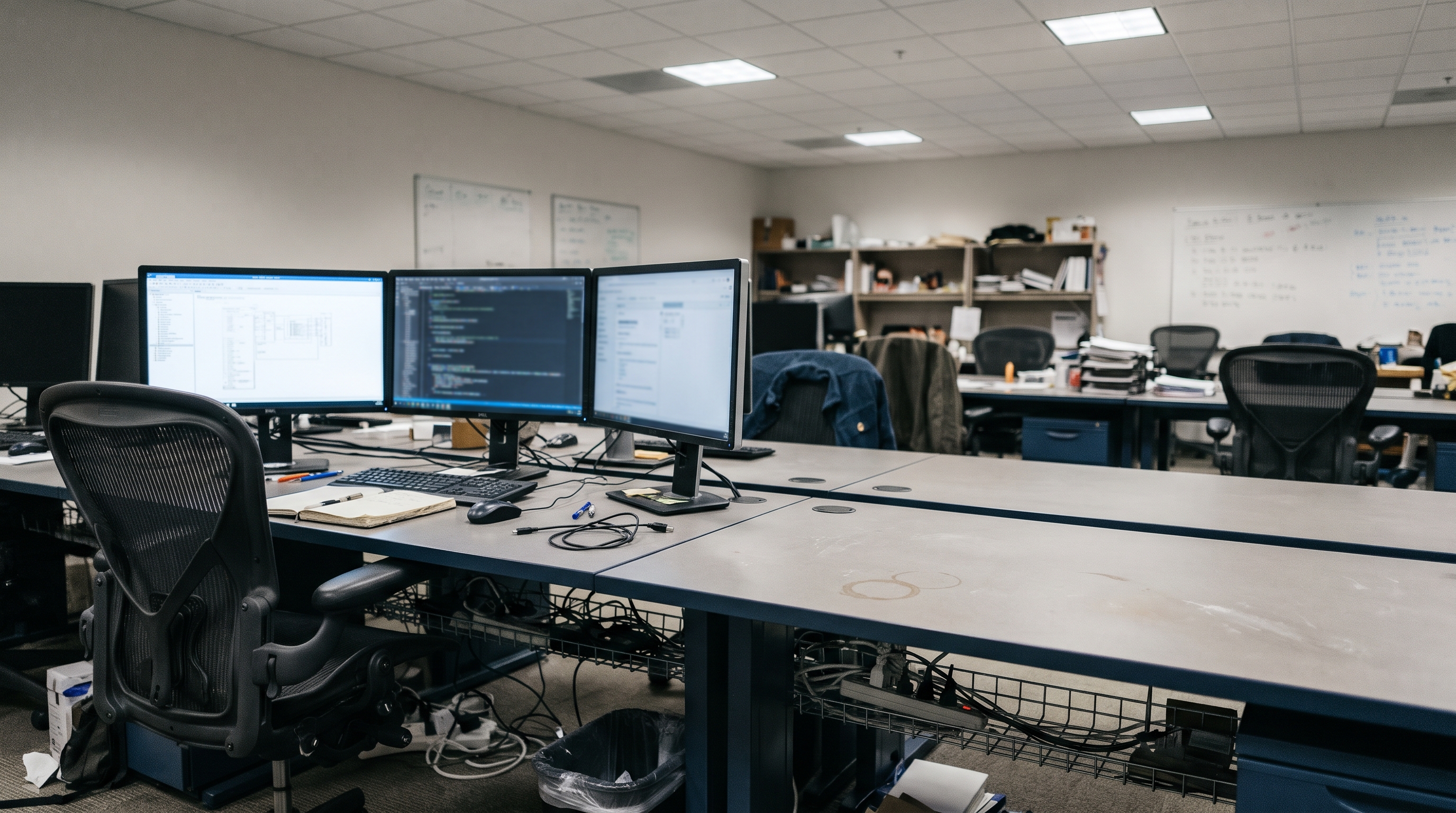
Meesho engineering output up 171% with AI agents |
|
Image source: Generated using Google Gemini |
| • |
Meesho says 65% of its engineering pods now run with one engineer directing AI agents (software that writes code, tests, and documentation autonomously). Code-change approval time fell 41% despite three times the volume; model deployment dropped from 17 days to 3. |
| • |
Engineering output rose 171% between March and September by Meesho's internal measure. The tradeoff: GPU costs grew 150% before the festive sale, pushing Meesho to shift some workloads to cheaper open-weight models to control bills. |
|
Bottom Line: Agent-led engineering is moving from experiment to default inside India's scaled consumer internet companies. Founders still staffing three-person engineering pods for routine feature work should model what a single-engineer-plus-agents structure costs and ships, before competitors do. |
|
|
|
India proposes DEPA to unlock data for AI training |
|
Image source: Generated using Google Gemini |
| • |
MeitY's draft DEPA for AI Training framework, built with iSPIRT, would let startups train models on hospital, bank, and government data without raw data ever leaving secure environments. Intermediaries called Data Collabs pool and standardise data across sources. |
| • |
Differential privacy (a technique that adds statistical noise so individuals cannot be identified) and machine-readable contracts govern access. A government authority could suspend access. Pilots in finance and healthcare are next, with no timeline set. |
|
Bottom Line: Government-brokered data access frameworks are becoming the policy tool of choice for countries trying to close the gap with US and Chinese AI labs. Indian AI startups should watch the finance and healthcare pilots closely: if consent and re-identification risks are handled credibly, this could open training data that today only large incumbents can reach. |
|
|
|
⚡ Mailr Signal |
|
|
Meesho's shareholder letter is one of the most granular company-disclosed accounts of agent-led engineering published by an Indian firm. The 171% output figure and 17-to-3-day deployment compression are concrete enough to use as benchmarks when evaluating your own engineering team's productivity assumptions.
Our take, not a news summary.
|
|
|
🛠️ Tool of the Day |
|
|
Aignosis
5-minute webcam-based autism screening test for children
| 🇮🇳 |
Cost-effective test priced at ₹700 with 5-minute results, highly accessible for Indian families and public health systems. |
| ✅ |
Deployed across 20+ government primary health centres in Rajasthan and partnered with Mankind Pharma; secured Rs 4 crore seed funding from Antler and angel investors. |
| 💡 |
Best for: Equipping pediatricians to add developmental screening to their practices, particularly in settings where specialist access is limited. |
View tool →
|
|
|
📱 Social Scan |
|
 UC Berkeley mathematics professor Richard Borcherds, a Fields Medal winner, no longer grades homework for correctness. Students get credit simply for doing it.
His reasoning: "Grading for correctness just adds a huge incentive for them to use AI for homework instead of doing it themselves." He also says there's no easy way to tell human work from AI work.
His take on the bigger picture: "If the worst effect of AI on society is that it is harder to assess homework then I will be very relieved."
Source: https://shorturl.at/CELrH
View post →
|
|
|
🧑💻 Founder of the Day |
|
|
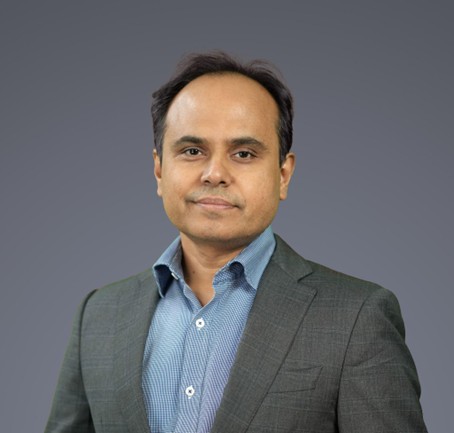
Srikanth Velamakanni
Fractal Analytics
|
|
| • |
Co-founder of Fractal, India's first AI unicorn and public AI company. Built an enterprise AI platform serving 100+ Fortune 500 companies in pricing, fraud detection, and diagnostics. Raised $680M+ funding, achieved $1B valuation in 2022, IPO'd 2026 with 26% YoY growth. |
| • |
Fractal proves deep-tech AI companies can scale globally from India without Silicon Valley relocation. Demonstrates how Indian talent and cost advantages create structural edges for building genuine IP and products competing at AI frontier, reshaping narrative beyond traditional outsourcing. |
|
|
|
|
আবার দেখা হবে
That's your Mailr for today. Spotted something we missed? Hit reply — we read every one.
Big things are being built. See you next edition.
Were you forwarded this? Join free at mailr.tech
|
|
|
You're receiving this because you subscribed to Mailr.
© 2026 Mailr
|