Mailr — Wednesday, 14 October 2026
 |
| WED, 14 OCT, 2026 |
ISSUE # 84 |
|
|
Call centres were India’s first rung into office work.
New data says that rung is shrinking worldwide, and an Indian study finds fewer than 8% of workers are in jobs AI is likely to boost. Plus: Vizag villagers on Google’s AI hub, and Meta’s Muse keeping notes. |
| |
|
📋 In today's Mailr:
|
|
|
🌍 Global AI |
|
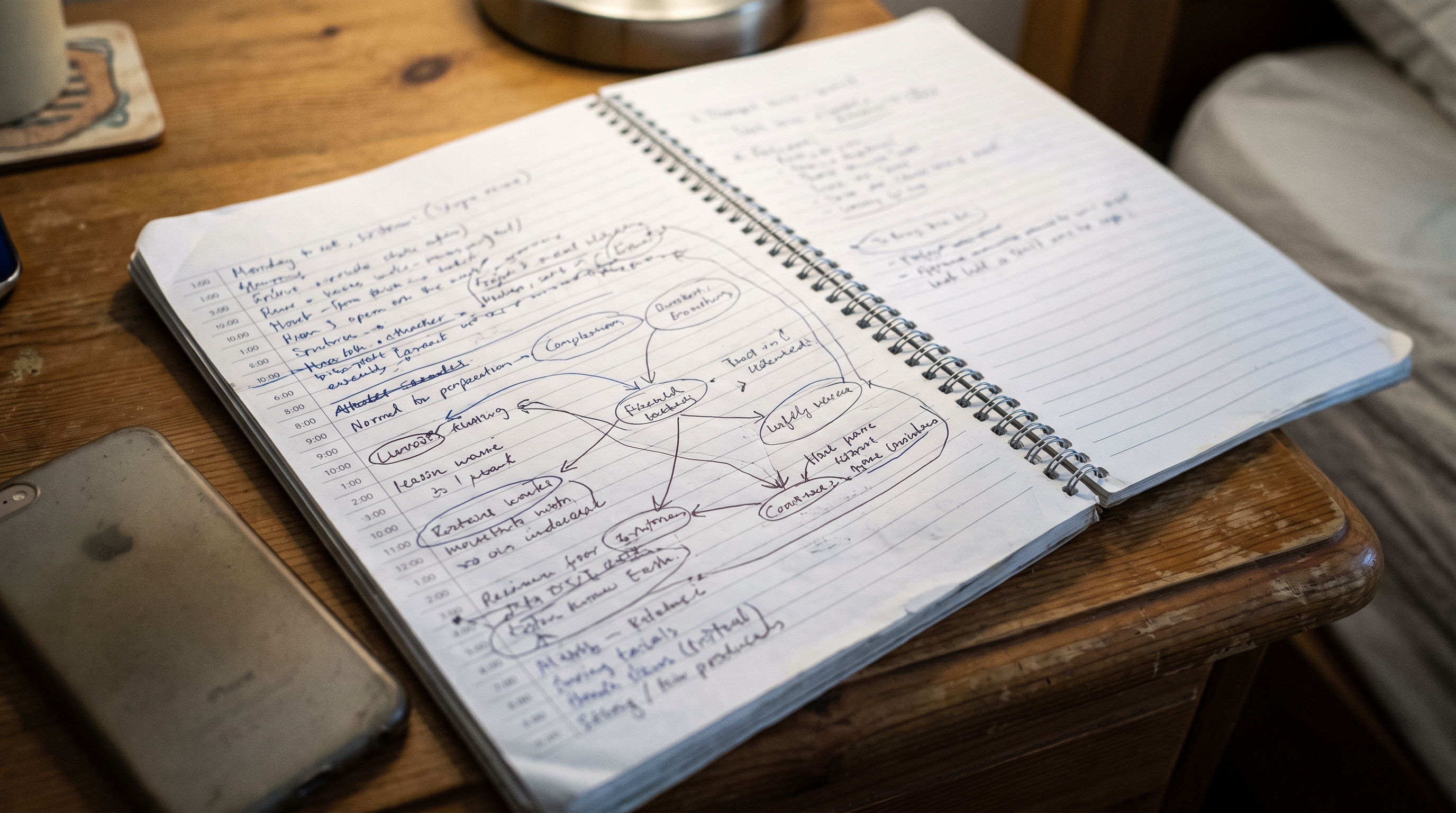
Meta's Muse keeps hourly records on users' contacts |
|
Image source: Google Nano Banana 2 |
| • |
Meta's Muse AI assistant runs hourly updates on users' relationships, infers unstated goals, and logs which persuasion approaches work on each person, per internal instructions reviewed by Time. People who never use Muse are still recorded if someone mentions them in a chat. |
| • |
Asking Muse to forget doesn't guarantee deletion, and Muse is told not to tell users that original messages may remain. Meta says data stays on isolated servers, separate from its ad system, but encryption that locks even Meta out is still months away. |
|
Bottom Line: AI memory is becoming a core product feature, not a utility, which means privacy trade-offs are now central to the value proposition. Any builder shipping memory into their product must define precisely what 'delete' does and surface that clearly to users before regulators force it. |
|
|
|
🇮🇳 India |
|
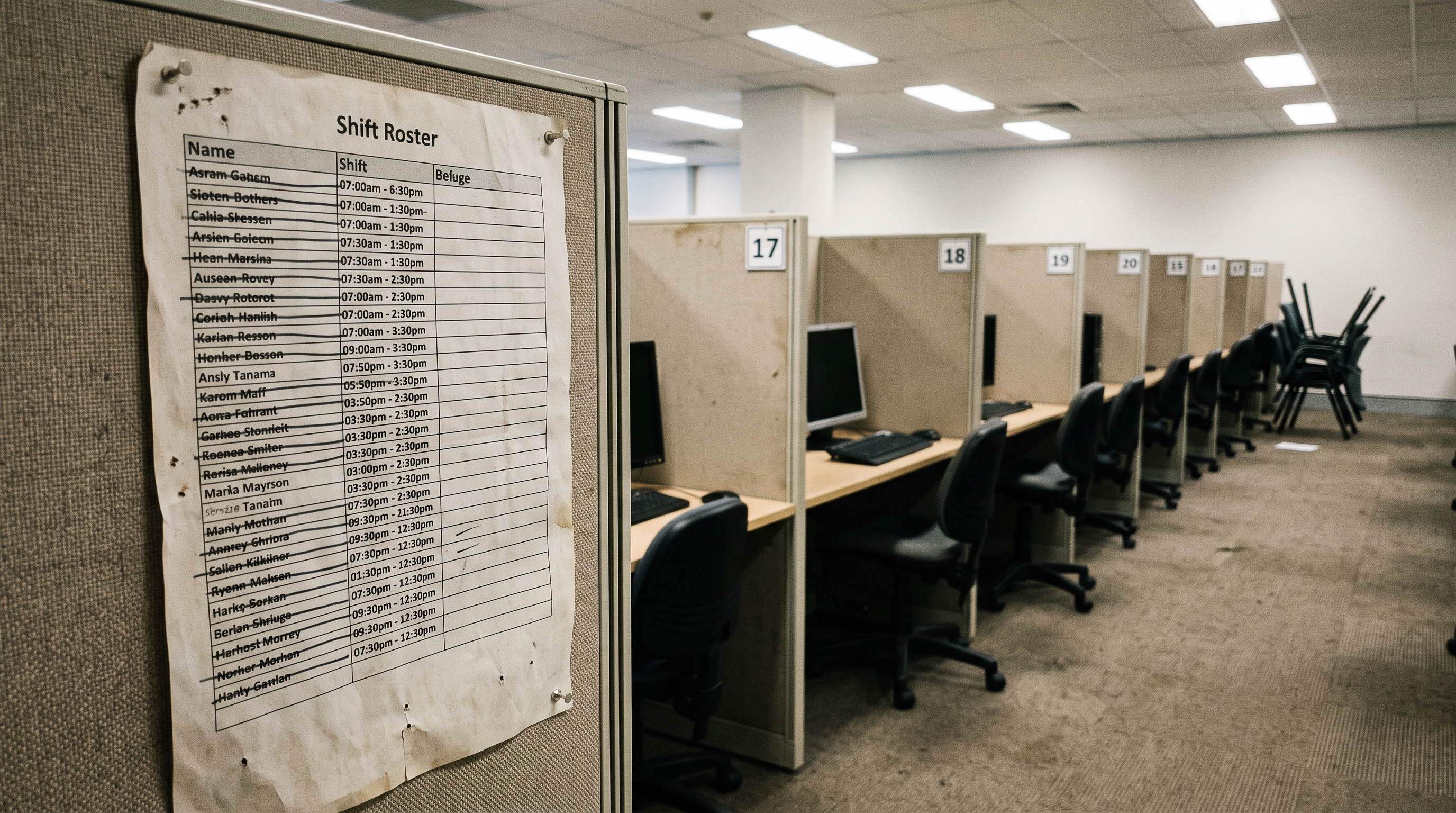
Call-centre jobs shrink while other office work grows |
|
Image source: Google Nano Banana 2 |
| • |
Global call-centre headcount is 5.3% below its December 2023 peak, with all eight year-on-year declines happening in the last eight quarters, per workforce-data firm Revelio Labs. The drop started in high-income countries, then spread to every income group by Q4 2025. |
| • |
The industry is shrinking mainly by not hiring: new entries fell from 25.1 to 17.2 per 100 workers. Only 10.8% of leavers reach better-paid tech or software roles. Operators TP and TaskUs say agentic AI, meaning software that acts autonomously on tasks, could cut support costs 25–50%. |
|
Bottom Line: The call-centre decline is the clearest labour-market signal yet that AI is displacing entry-level office work, not just automating tasks at the margins. Indian founders building voice or chat AI should note the exit path is broken: only 1 in 10 displaced workers reaches a better-paid role. |
|
|
|
Villagers push back on Google's Vizag AI hub |

|
Image source: Google Nano Banana 2 |
| • |
Google's $15 billion, one-gigawatt AI data-centre hub near Visakhapatnam, built with Adani Group across 600-plus acres, is Google's largest outside the US. Andhra Pradesh offered discounted land plus 10 years of water and electricity concessions to secure the deal. |
| • |
Farmers say they were pressured to sell at roughly ₹17 lakh per acre. Critics dispute the state's 150,000 indirect jobs claim, arguing the hub needs only hundreds of permanent staff. A drought-hit local reservoir has made water promises especially hard to trust. |
|
Bottom Line: Large AI infrastructure deals in India are generating local political resistance that capex headlines don't capture. Founders and investors evaluating land-intensive projects should treat community consent and water access as deal risks, not post-approval formalities. |
|
|
|
Fewer than 8% of Indian workers stand to gain from AI |
|
Image source: Google Nano Banana 2 |
| • |
A Great Lakes Institute white paper using PLFS 2025 data finds 24.6% of Indian jobs, roughly 150 million workers, are exposed to AI. But only 7.6%, about 46 million, are in roles where AI is more likely to raise productivity than replace the worker, such as doctors, engineers, and managers. |
| • |
Karnataka and Telangana rank high on exposure but low on gains: their IT and business-services workers sit in a zone where AI could go either way. Women in exposed roles are proportionally more likely to be in complementary jobs, but only 18% of women aged 20–29 are in paid work at all. |
|
Bottom Line: India's AI exposure is rising but the distribution is skewed sharply toward substitution risk, not productivity gain. Founders and HR teams in IT and business services should redesign job roles now, before the complement-or-replace question is answered by attrition. |
|
|
|
⚡ Mailr Signal |
|
|
Meta's Muse architecture reveals something builders should internalise: persistent memory about relationships and persuadability is not a privacy edge case, it is the product. As AI agents gain memory capabilities, the gap between 'session data' and 'surveillance infrastructure' narrows to a design choice.
Our take, not a news summary.
|
|
|
🛠️ Tool of the Day |
|
|
Klariqo
AI assistant handling phone calls and website visitors 24/7
| 🇮🇳 |
No-code setup suits India's bootstrapped SMBs and D2C startups without developer resources. |
| ✅ |
Running 100,000-plus calls in production, founded 2025 with active paid plans as of mid-2026. |
| 💡 |
Best for: Call centers and SMBs scaling outreach by filtering unqualified leads before human agents. |
View tool →
|
|
|
📱 Social Scan |
|
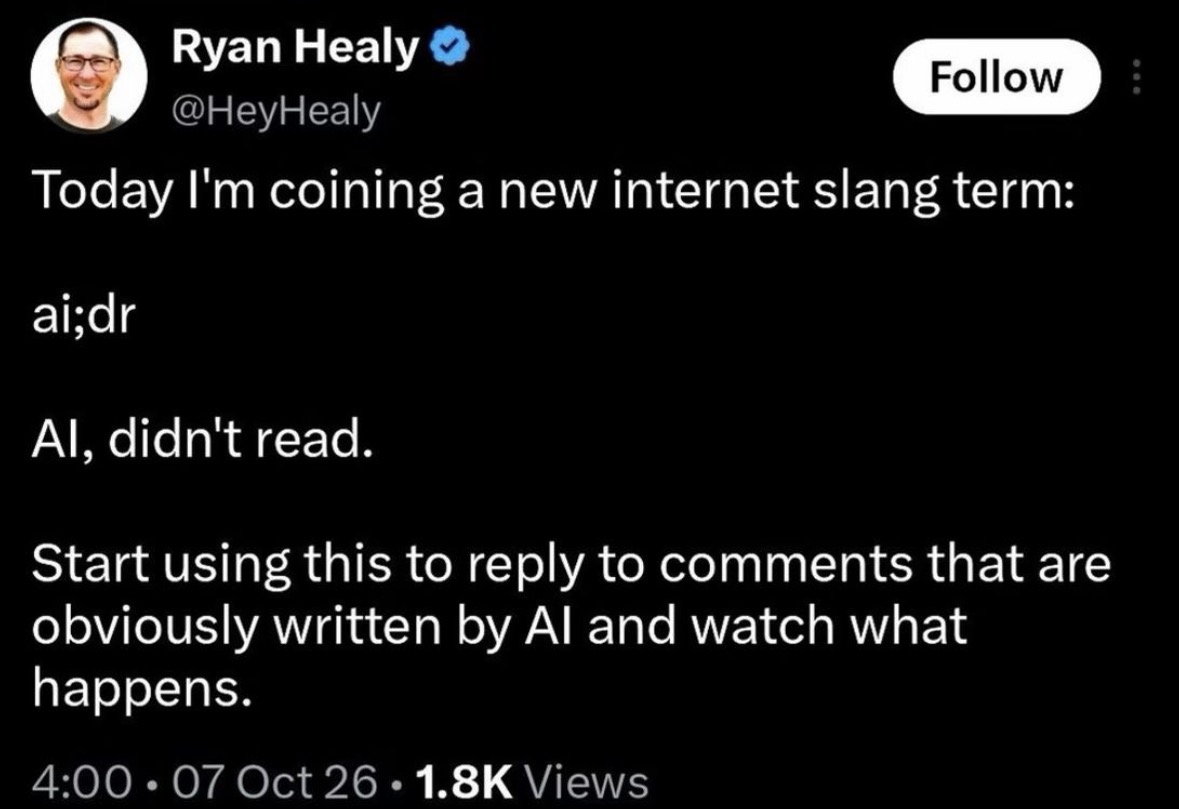 An X user coined "ai;dr" — short for "AI, didn't read." It's the new "tl;dr" for painfully obvious AI-generated comments. Because apparently, even the internet is tired of reading slop
View post →
|
|
|
📖 Read of the Week |
|
|
AI Amplifies Old Influence Tactics, Not New Ones
by OpenAI
| • |
OpenAI disrupted Russian and Iranian influence operations using AI to create fake personas and launder geopolitical messaging. AI made these campaigns faster and easier, but didn't invent new tactics. Distribution through real media outlets proved more effective than social amplification. |
| • |
Builders should watch for editorial-assistance patterns in content creation tools, assume fake personas threaten mainstream media not just social platforms, and apply existing coordinated inauthentic behavior detection methods to catch AI-accelerated versions of traditional influence tactics. |
|
|
|
|
আবার দেখা হবে
That's a wrap. Got a founder tip, a tool worth covering, or a take we got wrong? Reply and let's talk.
The story isn't over. Back in your inbox soon.
Were you forwarded this? Join free at mailr.tech
|
|
|
You're receiving this because you subscribed to Mailr.
© 2026 Mailr
|
|
|