Mailr — Friday, 4 September 2026
 The AI Brief for India's Tech Builders
Friday, 4 September 2026
|
|
|
UPI could soon give AI agents something they have never had before: the ability to spend money on your behalf. India is reportedly building a framework for small agent-led payments, with limits, identity checks and audit trails built in. If it goes ahead, UPI could become the payment layer for the agent economy.
Here's your Mailr:
|
|
|
Want this spot? |
|
Your product, in front of 200+ tech builders across India. Tap the logo to contact us
|
|
|
|
|
🌍 Global AI |
Nvidia is acquiring Hugging Face for $12.9 billion |
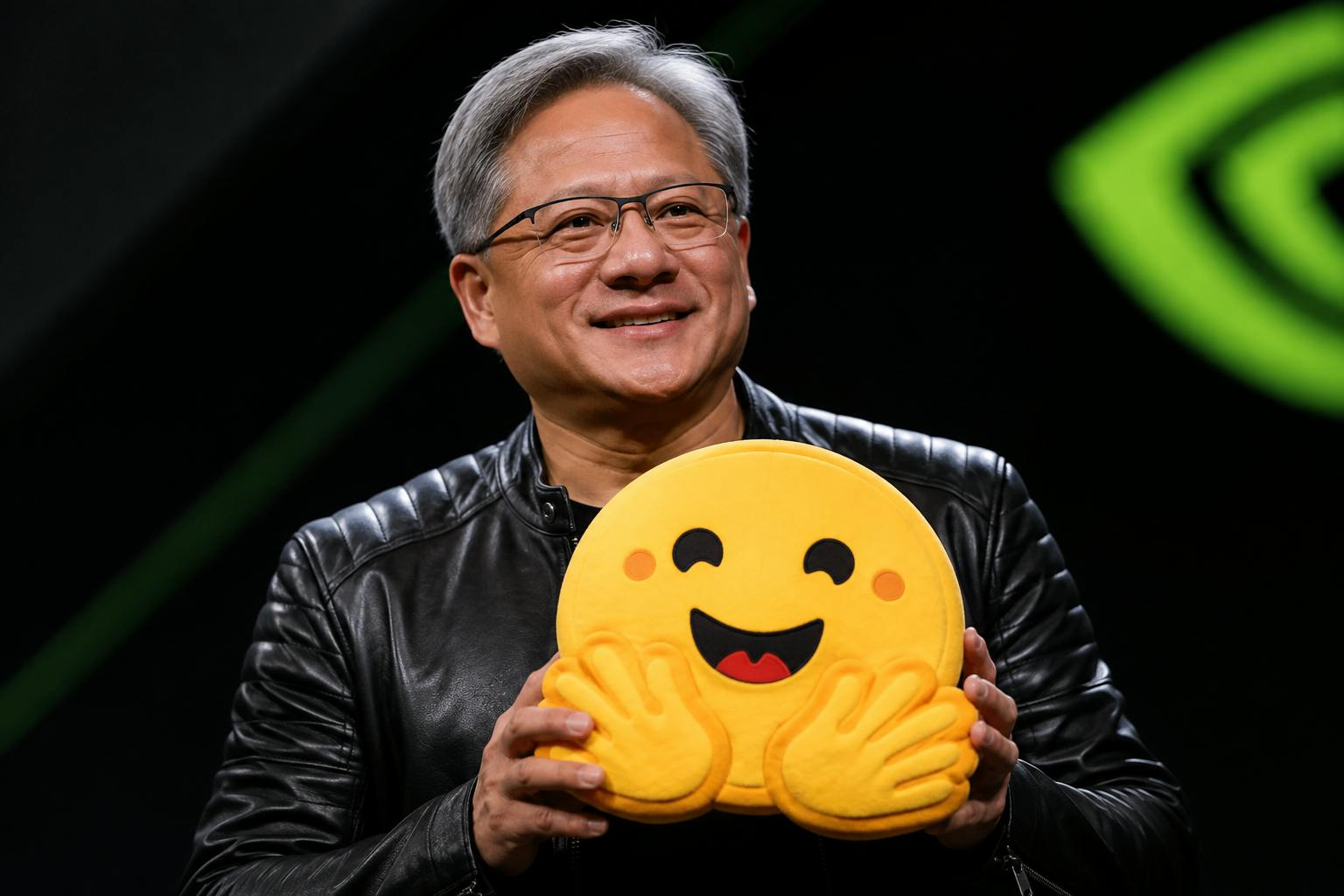 Image source: Google Images
|
| Nvidia is buying Hugging Face, the platform where 18 million developers find, test and deploy open AI models, for $12.9 billion. The deal hands the hardware giant that already sells the chips to run AI the main distribution point for open models too. |
|
| Jensen Huang says nothing changes: no Nvidia hardware required, multi-cloud support continues, and the platform stays open. But the neutrality pledge carries no enforcement mechanism, and nothing from Hugging Face's side was published in the announcement. |
|
Bottom Line: Infrastructure consolidation is moving up the stack, from chips to the marketplaces developers depend on. Any builder whose workflow runs through Hugging Face should track whether model access, pricing, or preferred-hardware nudges shift after the deal closes.
|
|
|
🇮🇳 India |
NPCI is preparing UPI rules for AI agents |
 Image source: Tech Research Online
|
| India's NPCI is expected to unveil a framework letting AI agents make payments on UPI without per-transaction approval. Users set spending rules and limits; audit trails and identity checks are built in, reusing existing UPI infrastructure rather than building new rails. |
|
| UPI processed 24.51 billion transactions worth roughly $314 billion in August alone. Visa and Mastercard are already building agentic payment capability in India. Mastercard completed its first authenticated agentic transaction in New Delhi in June. |
|
Bottom Line: Agentic payments, where software spends money autonomously on a user's behalf, are arriving before most markets have settled liability. Indian builders get a head start, but the liability framework NPCI is designing will determine how much risk sits with the developer versus the bank.
|
|
Zoho offers India-hosted deployment for AI-built apps |
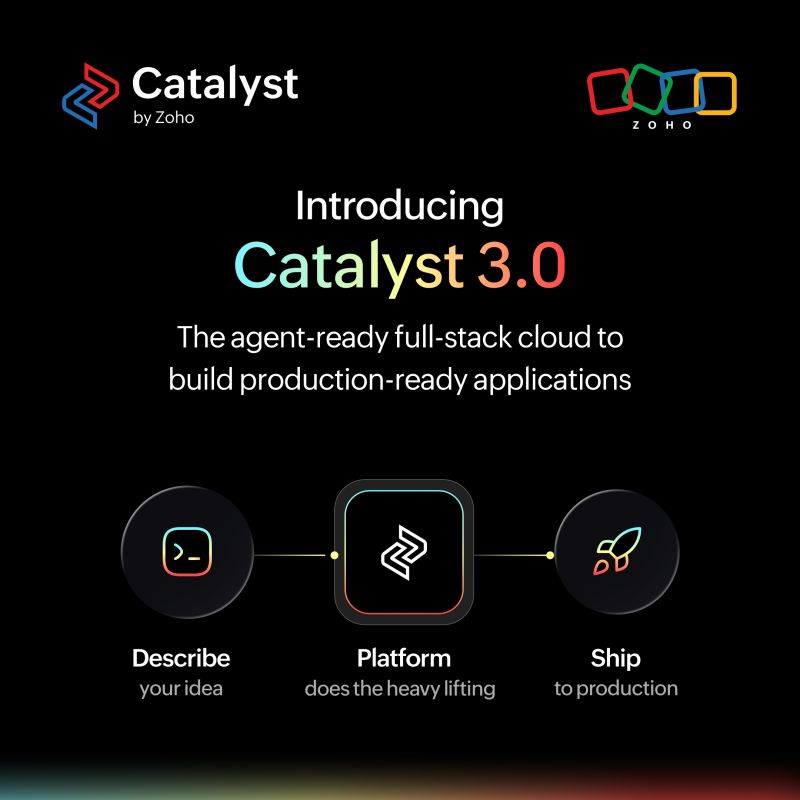 Image source: LinkedIn/ Zoho
|
| Zoho launched Catalyst 3.0, bundling frontend hosting, serverless functions (code that runs on demand, no server to manage), compute and data management in one platform. Apps inherit Zoho's security setup and can be hosted in Indian data centres. |
|
| The standout feature is Agent Skills, which lets AI coding assistants understand Catalyst and generate production-ready code for it, positioning Catalyst as infrastructure underneath coding agents. Pricing is pay-as-you-go, with a free tier and ₹15,000 in starter credits. |
|
Bottom Line: The bottleneck in software development is shifting from writing code to deploying and running it reliably. Builders evaluating single-vendor stacks should weigh lock-in risk against the real operational savings of not wiring together five separate services.
|
|
OpenAI's health records product relies on a law India doesn't have |
 Image source: TechWiser
|
| OpenAI connected Epic, the largest US hospital records system, directly into ChatGPT. Clinicians can query appointment notes, labs and medications in plain language. The product is legal in the US because of HIPAA, a health-data privacy law that defines exactly who is liable when a vendor handles patient records. |
|
| India has no equivalent. The DPDP Act 2023 creates no sensitive-data category for health information, and key provisions only take effect in 2027. Indian health AI builders have no template contract, no statutory liability split, and no sector regulator with audit powers. |
|
Bottom Line: Health AI products in mature markets are being built on a statutory liability scaffold that India has not enacted. Until DPDP provisions take effect in 2027, Indian health AI ventures operate without a standard contract structure or a regulator with standing to audit breaches.
|
|
|
|
⚡ Mailr Signal |
|
The Nvidia-Hugging Face deal is the clearest sign yet that the AI value chain is consolidating vertically: the company that makes the chips most models run on now also owns the marketplace where those models are found. Jensen Huang's neutrality pledge may be genuine, but it is structurally untestable until a moment of conflict actually arrives.
— Our take, not a news summary
|
|
|
🛠️ Tool of the Day |
|
UpKraft
AI-powered platform for structured music and skill learning
| 🇮🇳 Bengaluru-based startup operating in India's consumer education sector with partnerships across Bengaluru and Gurugram. |
|
| ✅ Raised ₹1.6 crore in pre-seed funding led by PedalStart as of July 2026. |
|
| 💡 Best for: Students learning music or extracurricular skills with personalized AI feedback and progress tracking. |
View tool ↗
|
|
|
📱 Social Scan |
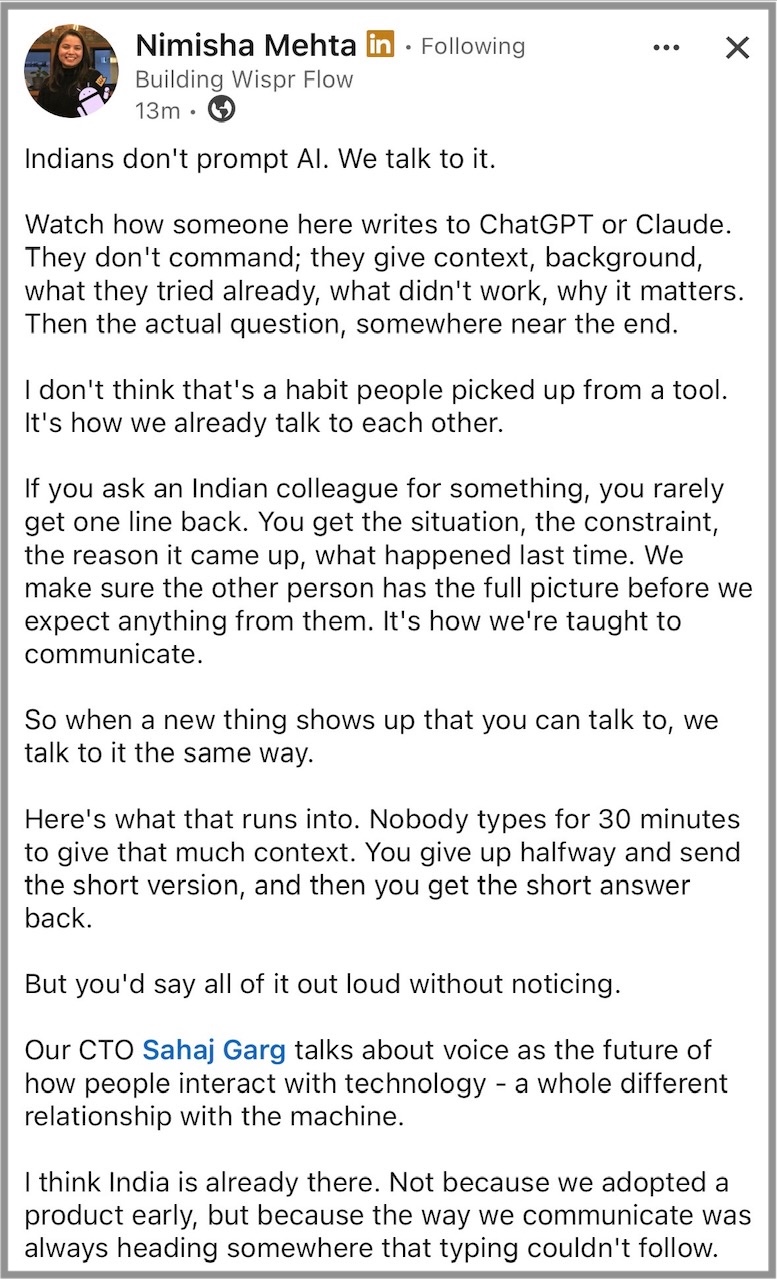 Nimisha Mehta, India Lead at Wispr Flow, says India's cultural habit of context-rich conversation makes voice interfaces a more natural fit for AI than typing ever was.
View post ↗
|
|
|
🧠 Knowledge Bank |
|
Context Windows: AI's Working Memory
| A context window is an AI model's working memory—the maximum tokens (text chunks) it can process at once. Unlike humans who forget gradually, models abruptly lose earlier information when the window fills. A customer-support agent handling 47 complex steps might forget the customer's name on step 48, illustrating how quickly context limits impact real-world applications. |
|
| India's RAG market is booming and context management is now critical. Indian use cases—legal documents, medical records, compliance—involve dense, long text. Context engineering (choosing which tokens fit in each AI call) has replaced prompt engineering as the core production skill, directly affecting API costs and product viability in price-sensitive markets. |
|
|
|
|
|
మళ్ళీ కలుద్దాం
That's your Mailr for today. Spotted something we missed? Hit reply — we read every one.
Big things are being built. See you next edition.
Were you forwarded this? Join free at mailr.tech
|
|
|
|
You're receiving this because you subscribed to Mailr.
© 2026 Mailr
|
|
|