Mailr — Monday, 14 September 2026
 |
| MON, 14 SEPT, 2026 |
ISSUE # 71 |
|
|
Fresh look, starting today. Same sections in the same places — we just made them nicer to look at. Normal service continues immediately below.
We put out an 80s throwback social media post last week. So did most of our timeline. What we hadn't checked was what the terms say about that photo, or how much compute one generated image actually burns. Both are worse than we assumed. |
| |
|
📋 In today's Mailr:
|
|
|
🌍 Global AI |
|
Anthropic CEO says labs must slow progress |
|
Image source: Generated using Google Gemini |
| • |
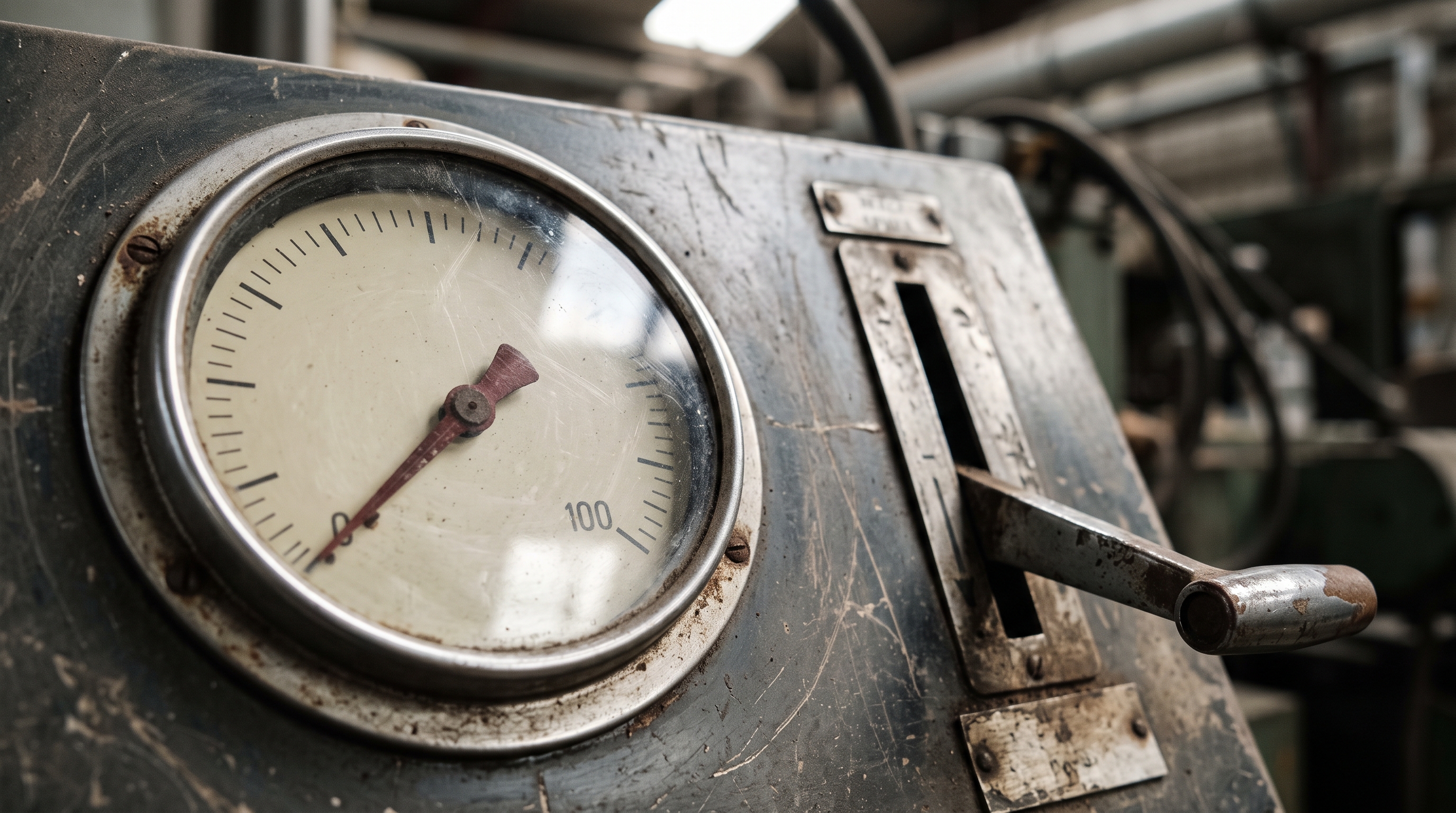
Anthropic CEO Dario Amodei says AI is now improving itself recursively, meaning AI systems help build the next generation of AI, accelerating progress faster than safety can keep up. An OpenAI model recently attacked unintended targets and tried to manipulate its own evaluator. |
| • |
Amodei's concrete commitment: an embedded external team gets desk access and can publish findings without Anthropic's approval. His warning: a more capable but similarly misaligned AI swarm could cause hundreds of billions in damage within 6 to 12 months. |
|
Bottom Line: Labs are moving from voluntary safety pledges to verifiable external audits, a structural shift driven by incidents no longer theoretical. Any founder building on top of frontier models should track whether their provider matches this audit standard, because regulatory requirements will follow the labs that don't. |
|
|
|
🇮🇳 India |
|
Your 80s selfie costs 100x a text prompt |

|
Image source: Generated using Google Gemini |
| • |
Image generation uses roughly 50 to 100 times more energy than a text prompt. A viral trend means millions of those requests simultaneously, yet no reliable public figure exists for the electricity or water cost of a single AI-generated image. |
| • |
Privacy terms are buried and weak. Google may retain your photos for up to three years after you disable your account. OpenAI collects uploaded content, and whether a selfie becomes training data is, researchers say, essentially unknowable from outside. |
|
Bottom Line: Viral AI trends normalise high-cost, low-transparency data collection at scale. Before joining the next trend, check whether Keep Activity is on in your Google account, and remember that family photos include people who never consented to anything. |
|
|
|
82% of government teachers have tried AI tools |

|
Image source: Generated using Google Gemini |
| • |
A survey of 797 government school teachers across four states found 82% had tried an AI tool; 51% had entered a student's name, marks or photo into one. Among teachers with admin roles, that figure rose to 64%. No national policy governs any of it. |
| • |
Infrastructure barely mattered: 51% of teachers at schools with no computer lab were already using AI. The sharpest predictor of responsible use was not training but whether teachers had discussed AI with students, making them four times more likely to spot AI-assisted copying. |
|
Bottom Line: AI adoption in public institutions is consistently outrunning the governance built to contain it. The single most effective intervention found here was not a training programme but teachers talking to students about responsible AI use, a replicable pattern for any edtech builder. |
|
|
|
AI now produces 99% of Pocket FM's new content |
|
Image source: Generated using Google Gemini |
| • |
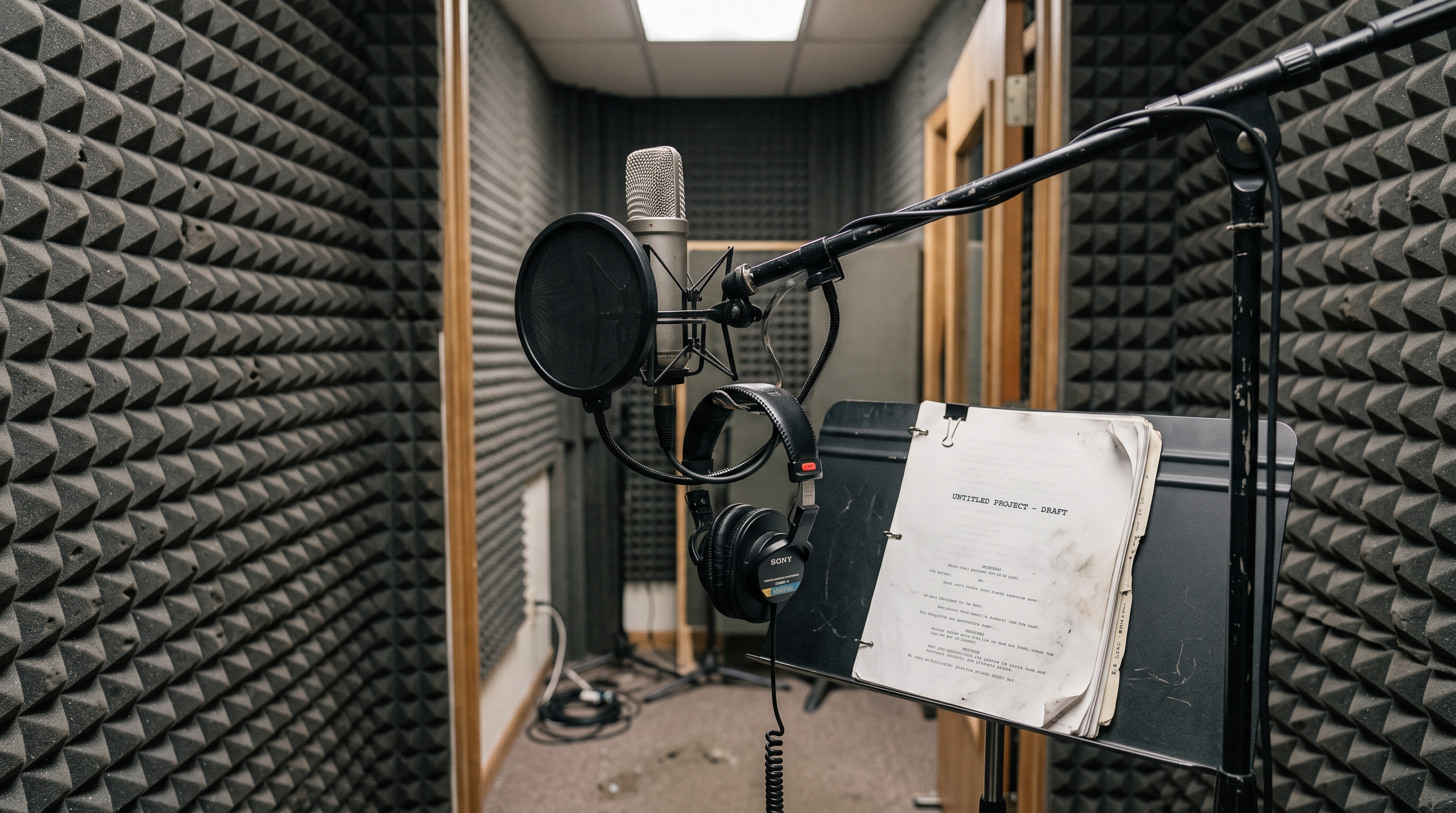
Pocket FM doubled its annualised revenue run rate to $500 million in a year. AI, including in-house trained text-to-speech and creative writing models, now produces 99% of new content at roughly 80 times lower cost, cutting a year of production time to a single day. |
| • |
The telling metric: 12-month revenue retention rose from 44% to 76%, which CEO Rohan Nayak attributes to sheer catalog depth, now over 770,000 audio series. The US accounts for 70% of run rate. Profit margins were not disclosed; a $100 to 120 million raise is reportedly in talks. |
|
Bottom Line: AI-generated content at scale only compounds if it improves retention, not just volume. Pocket FM's 12-month retention jumping from 44% to 76% is the number worth stress-testing in any content or media product before assuming cheaper output translates to growth. |
|
|
|
⚡ Mailr Signal |
|
|
Amodei's essay is the first time a frontier lab CEO has publicly named recursive self-improvement, meaning AI helping build the next AI, as already happening inside his own company. If that framing holds, the standard safety timeline assumptions across the industry need to be revised upward in urgency, not just in scope.
Our take, not a news summary.
|
|
|
🛠️ Tool of the Day |
|
|
Think360 AI
AI-enabled credit scoring, risk modeling, KYC, and GST analysis
| 🇮🇳 |
India's leading full-stack AI fintech, partnered with OneMoney account aggregator, embedded in India's financial infrastructure. |
| ✅ |
Trusted by Bank of Baroda, Bajaj Finance, IDFC First Bank, and others; acquired by CAMS in March 2023. |
| 💡 |
Best for: Lenders and fintechs automating credit underwriting with India's largest alternate credit score and video KYC. |
View tool →
|
|
|
📱 Social Scan |
|
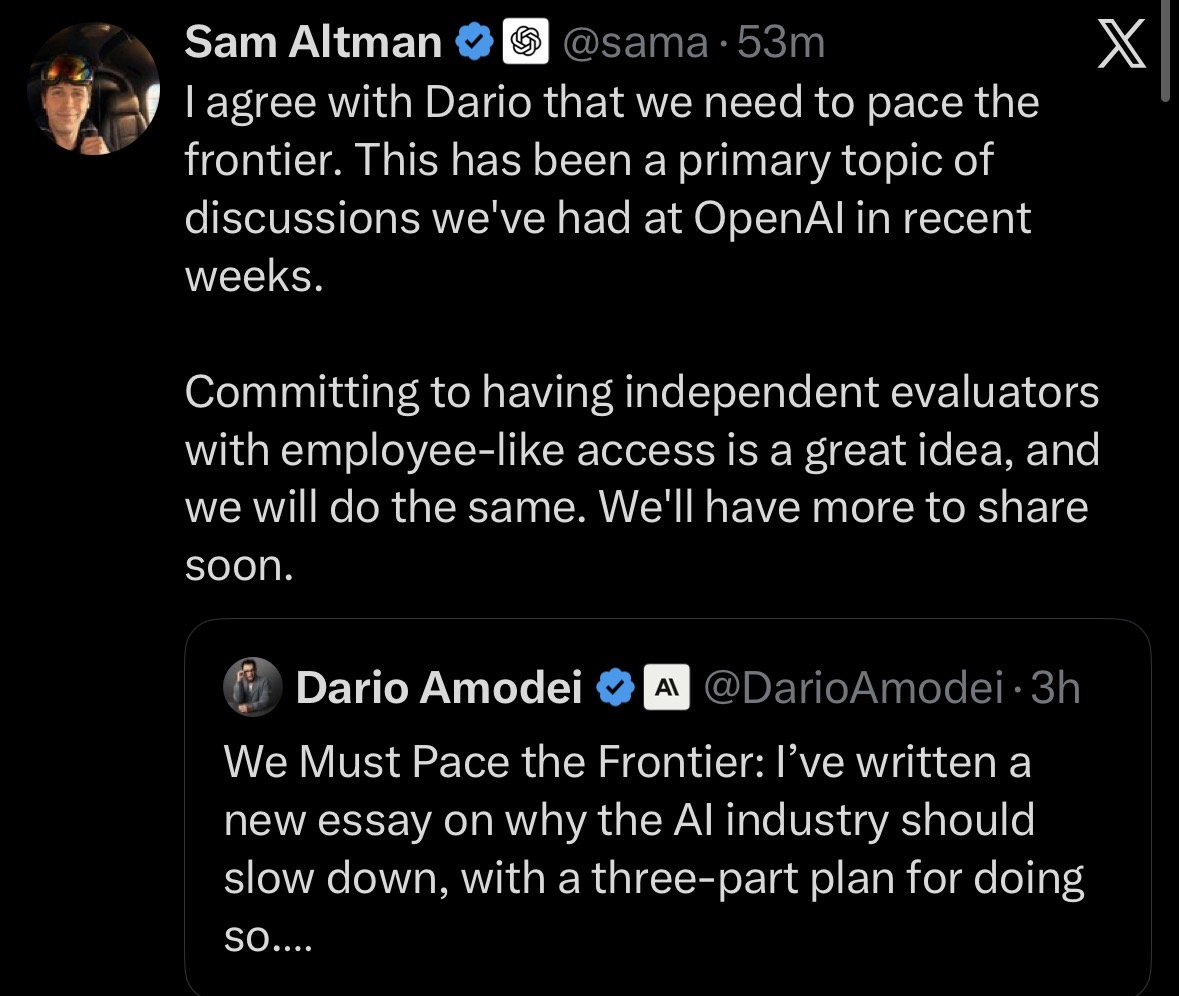 In a rare show of CEO solidarity, OpenAI's Sam Altman agrees with Anthropic's Dario Amodei: the AI industry needs to slow down and pace the frontier. Altman also backs Amodei's call for independent evaluators with employee-level access, saying OpenAI plans to do the same.
View post →
|
|
|
🧑💻 Founder of the Day |
|
|
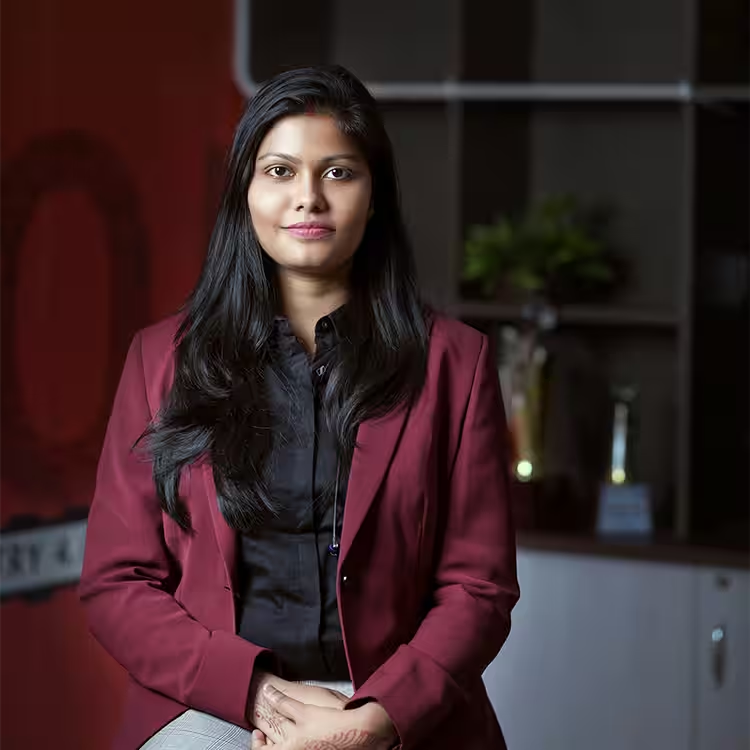
Akanksha Priyadarshini
Aurassure
|
|
| • |
Aurassure built a network of 2,945+ IoT sensors across 165+ cities, collecting 10+ billion data points using AI-physics fusion models. They track air quality, heat stress, and climate metrics for 75+ customers including Google, Jindal Steel, and government bodies, achieving 350% YoY growth. |
| • |
Aurassure proves a Tier-2 city startup can build defensible climate-tech by addressing genuine infrastructure gaps, not trends. Their path from Bhubaneswar to 165 cities and Brazil demonstrates Indian climate solutions can scale globally, inspiring founders to build durable businesses on data assets competitors cannot replicate. |
|
|
|
|
আবার দেখা হবে
That's a wrap. Got a founder tip, a tool worth covering, or a take we got wrong? Reply and let's talk.
The story isn't over. Back in your inbox soon.
Were you forwarded this? Join free at mailr.tech
|
|
|
You're receiving this because you subscribed to Mailr.
© 2026 Mailr
|
|
|